Bouncy or Rough Ride
The car keeps bouncing after bumps or feels harsh over every road seam.

Bouncing, clunking, or a ride that feels loose? Our certified technicians repair struts, shocks, control arms and bushings to restore a smooth, controlled, and safe ride.
WHAT WE DO
Your suspension keeps your tires planted, absorbs bumps, and lets you steer and brake with confidence. When shocks, struts, or joints wear out, handling gets vague, braking distances grow, and tires wear unevenly. We diagnose the real cause and repair only what needs repairing — no upselling.
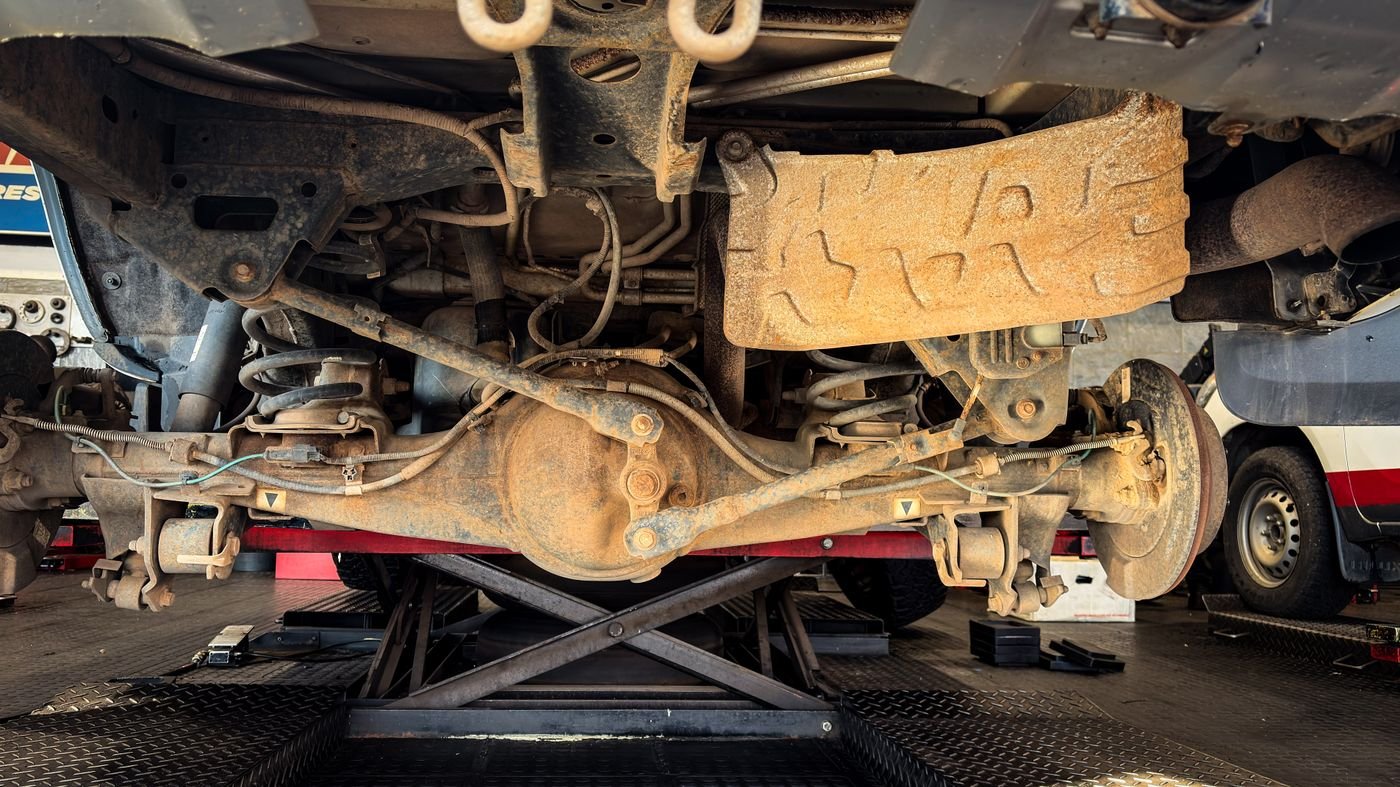
WARNING SIGNS
If you notice any of these, book an inspection before a small issue becomes a costly — or unsafe — one.
The car keeps bouncing after bumps or feels harsh over every road seam.
Knocking or rattling over bumps points to worn joints, links or bushings.
The front dips sharply under braking — a classic sign of tired shocks or struts.
Cupped or patchy tread often means the suspension isn't holding the tire steady.
One corner sits lower, or the car leans hard in turns and feels unstable.
Fluid leaking down a shock or strut means it can no longer damp properly.
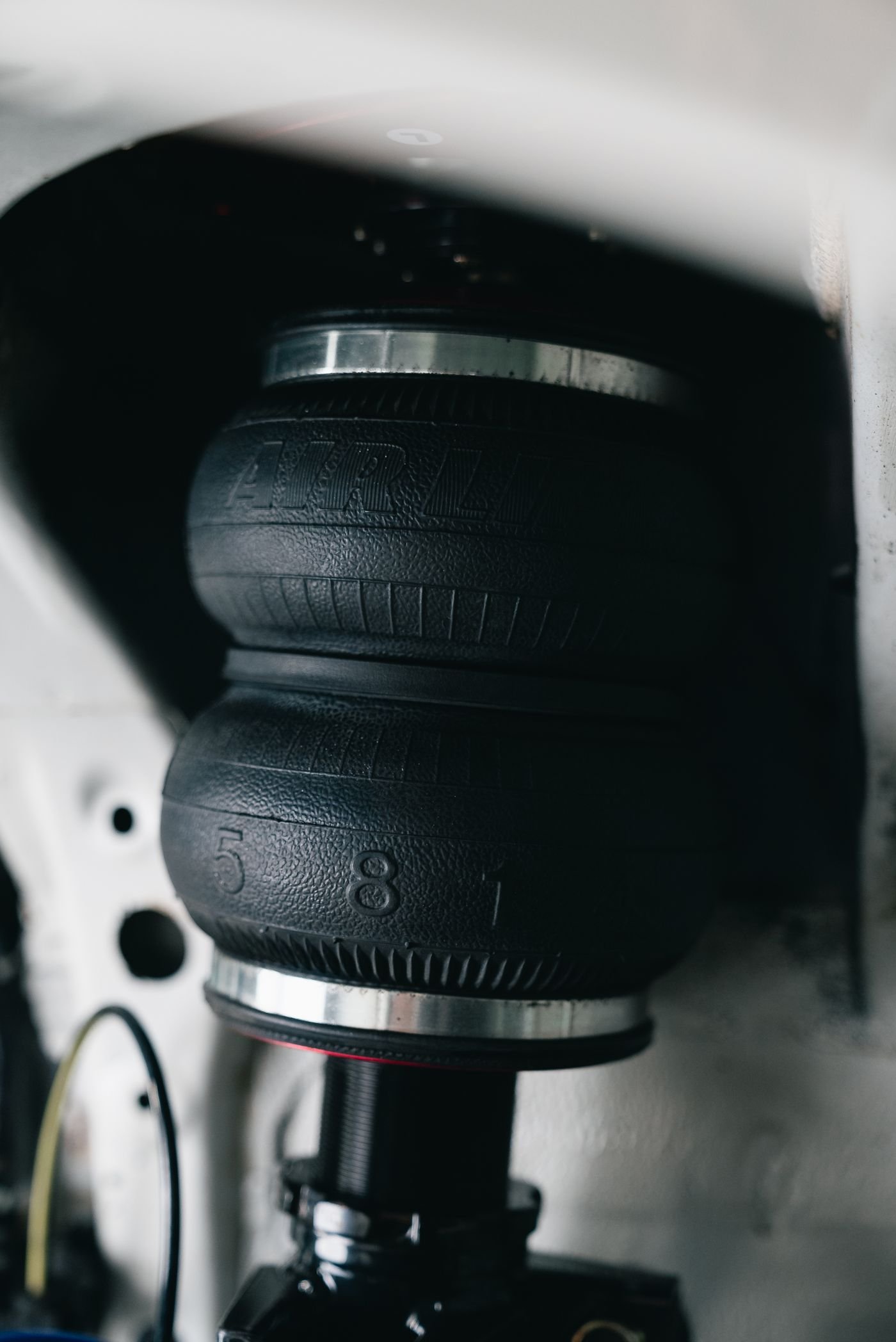
WHAT'S INCLUDED
Every repair starts with a full inspection so you only pay for what your vehicle actually needs.
OUR PROCESS
We confirm your symptoms and inspect every suspension component on a lift.
You get a clear explanation and an upfront, transparent price before any work.
Certified techs replace worn parts with quality components and torque to spec.
We road test and recommend an alignment so your repair lasts and drives true.
FAQS
Common signs include a bouncy or rough ride, clunking over bumps, the nose dipping when you brake, uneven tire wear, pulling to one side, or a corner sitting lower than the rest. Any of these is worth an inspection.
Many jobs, such as replacing a pair of struts or shocks, are done the same day in about 2–4 hours. Larger repairs with control arms or multiple parts can take longer. We confirm the timeline after inspection.
Yes. Any repair that disturbs suspension geometry changes your alignment angles. We recommend a wheel alignment afterward to protect your new parts and your tires.
Worn suspension increases stopping distance, reduces stability, and accelerates tire wear. Problems worsen over time, so it's best to have symptoms inspected promptly.