Squealing or Grinding
High-pitched squeal means thin pads; grinding means metal-on-metal — stop now.
Squealing, grinding, or a soft pedal? Our certified technicians inspect and repair pads, rotors, calipers and brake fluid so you stop safely, every time.
WHAT WE DO
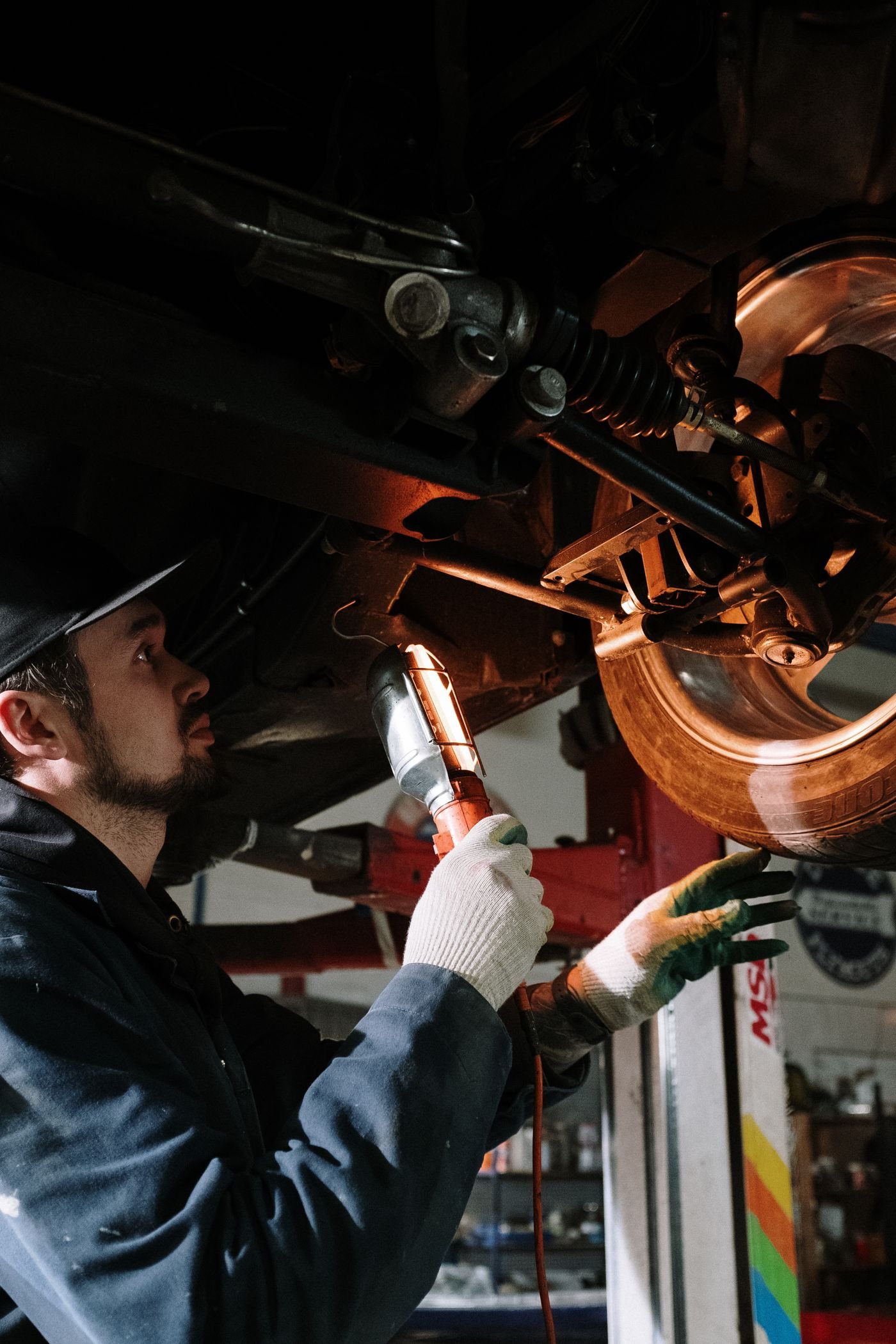
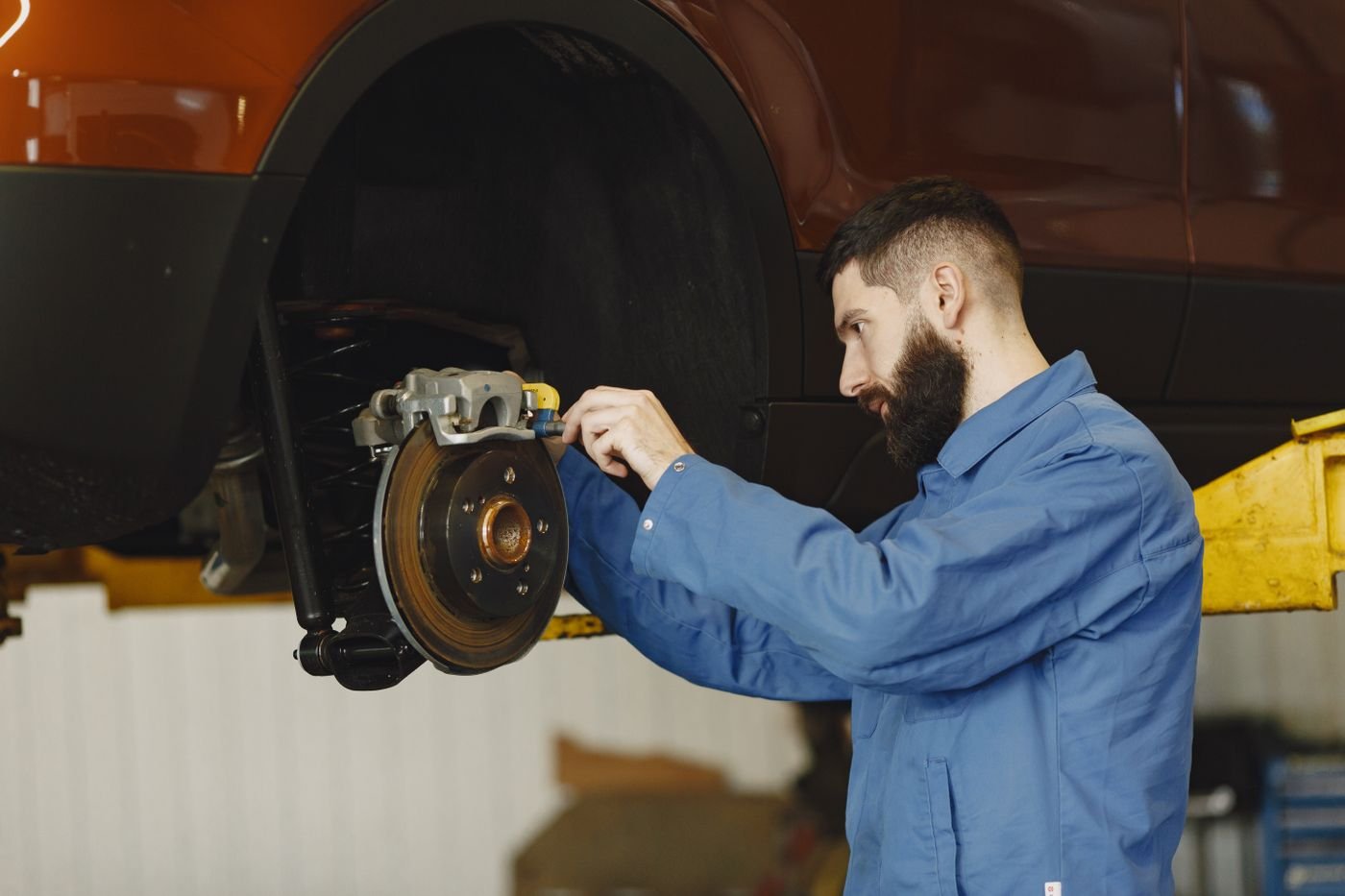
Your brakes are the single most important safety system on your vehicle. Worn pads, scored rotors, or tired brake fluid all lengthen your stopping distance. We measure every component, show you what we find, and repair only what's needed — so you drive away confident.
WARNING SIGNS
Brakes rarely fail without warning. If you notice any of these, book a brake check right away.
High-pitched squeal means thin pads; grinding means metal-on-metal — stop now.
A pedal that sinks or feels soft can mean air or moisture in the brake fluid.
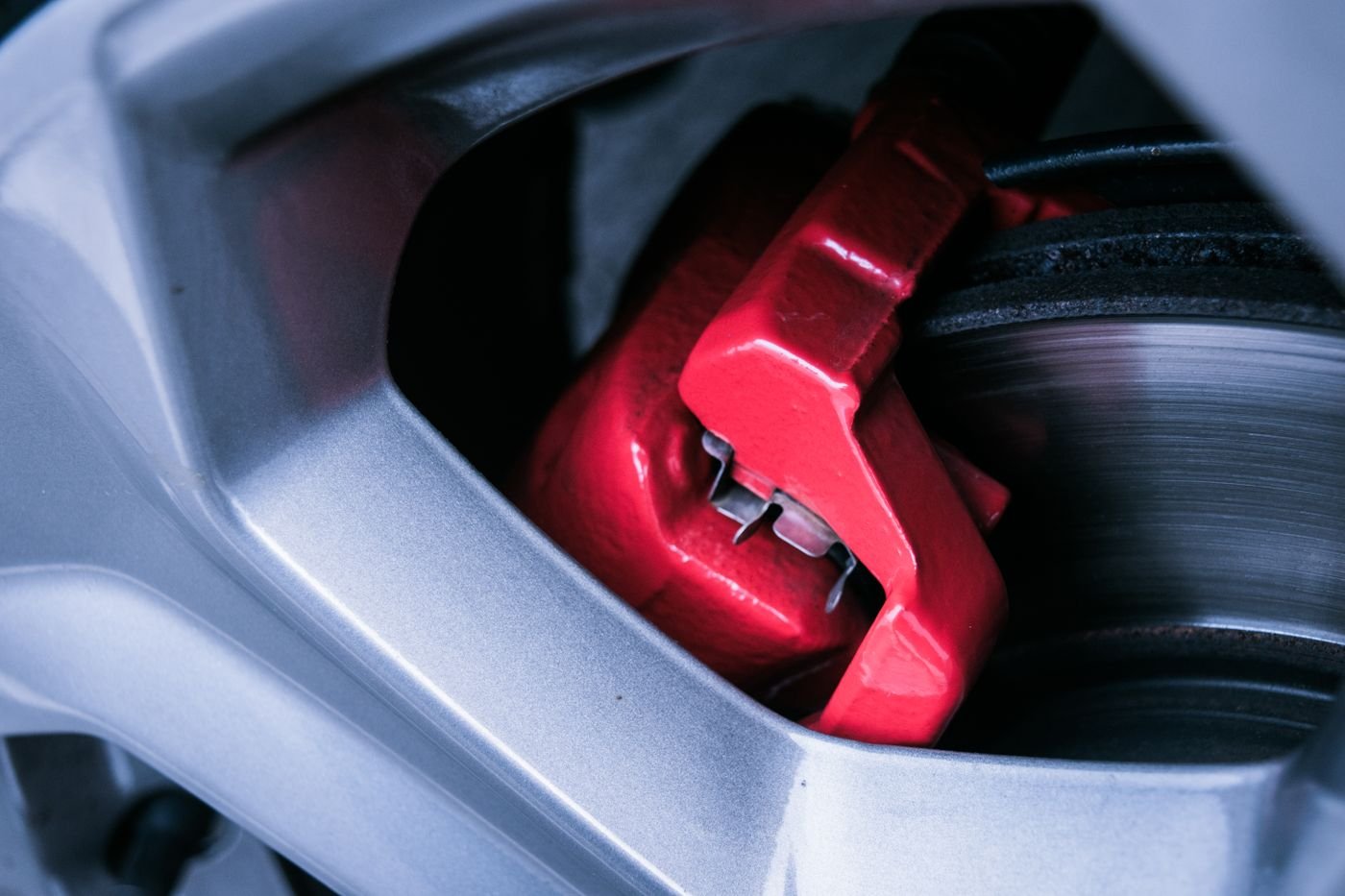
A shudder through the pedal usually means warped or unevenly worn rotors.
Needing more distance or pressure to stop is a clear sign of brake wear.
The car veers when braking — often a sticking caliper or uneven pads.
A dash warning light means it's time for an inspection without delay.
WHAT'S INCLUDED
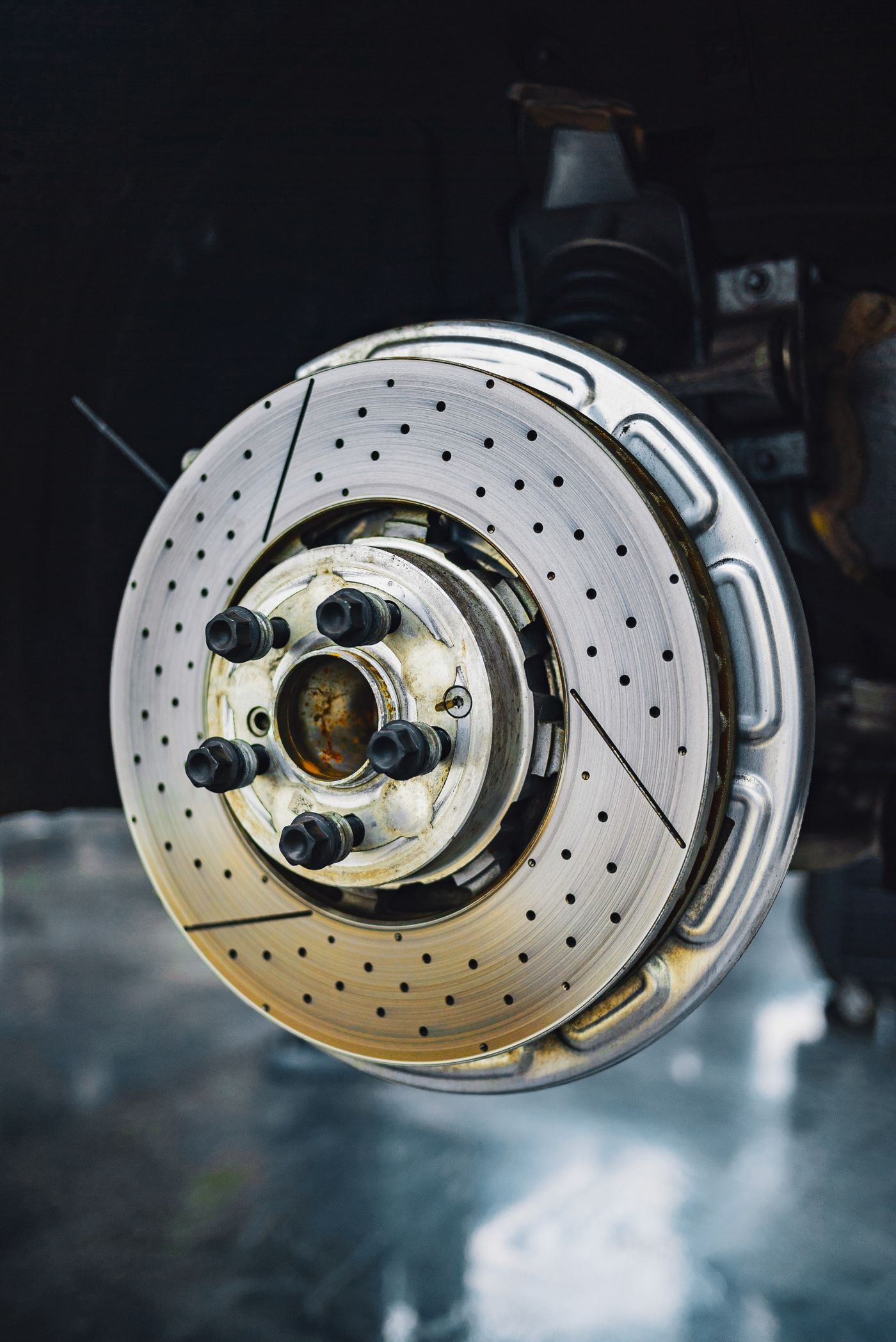
A full brake service that covers every part of the system — inspected, measured, and repaired to spec.
OUR PROCESS
We measure pads, rotors, fluid and lines, and confirm your symptoms.
We show you the readings and give an upfront, transparent price before any work.
Certified techs fit quality pads and rotors and service the hydraulics.
We road test and bed in the new brakes so they stop smooth and true.
FAQS
At least once a year or every 12,000 miles, and any time you notice noise, vibration, or a change in pedal feel. Regular checks catch wear before it damages rotors or becomes a safety risk.
Squealing usually means the pads are wearing thin and the wear indicator is touching the rotor. Grinding often means the pads are gone and metal is on metal — stop driving and get it inspected immediately.
Typically 30,000–70,000 miles depending on driving style, vehicle weight, and conditions. City driving and towing wear pads faster. We measure remaining pad thickness at every inspection.
Brake fluid absorbs moisture over time, lowering its boiling point and reducing performance. Most manufacturers recommend a flush every two to three years, and we check its condition during service.